Introduction
In today’s fast-paced world, maintaining a healthy lifestyle has become more important than ever. With increasing stress levels, sedentary routines, and unhealthy eating habits, people are more prone to chronic diseases such as diabetes, heart disease, and obesity. However, the good news is that adopting simple, consistent lifestyle habits can significantly improve your overall health and help you live a longer, more fulfilling life.
Healthy living is not about drastic changes or extreme diets. It is about making small, sustainable choices every day that contribute to long-term wellness. By focusing on balanced nutrition, physical activity, mental well-being, and preventive care, individuals can enhance their quality of life and reduce the risk of serious illnesses.
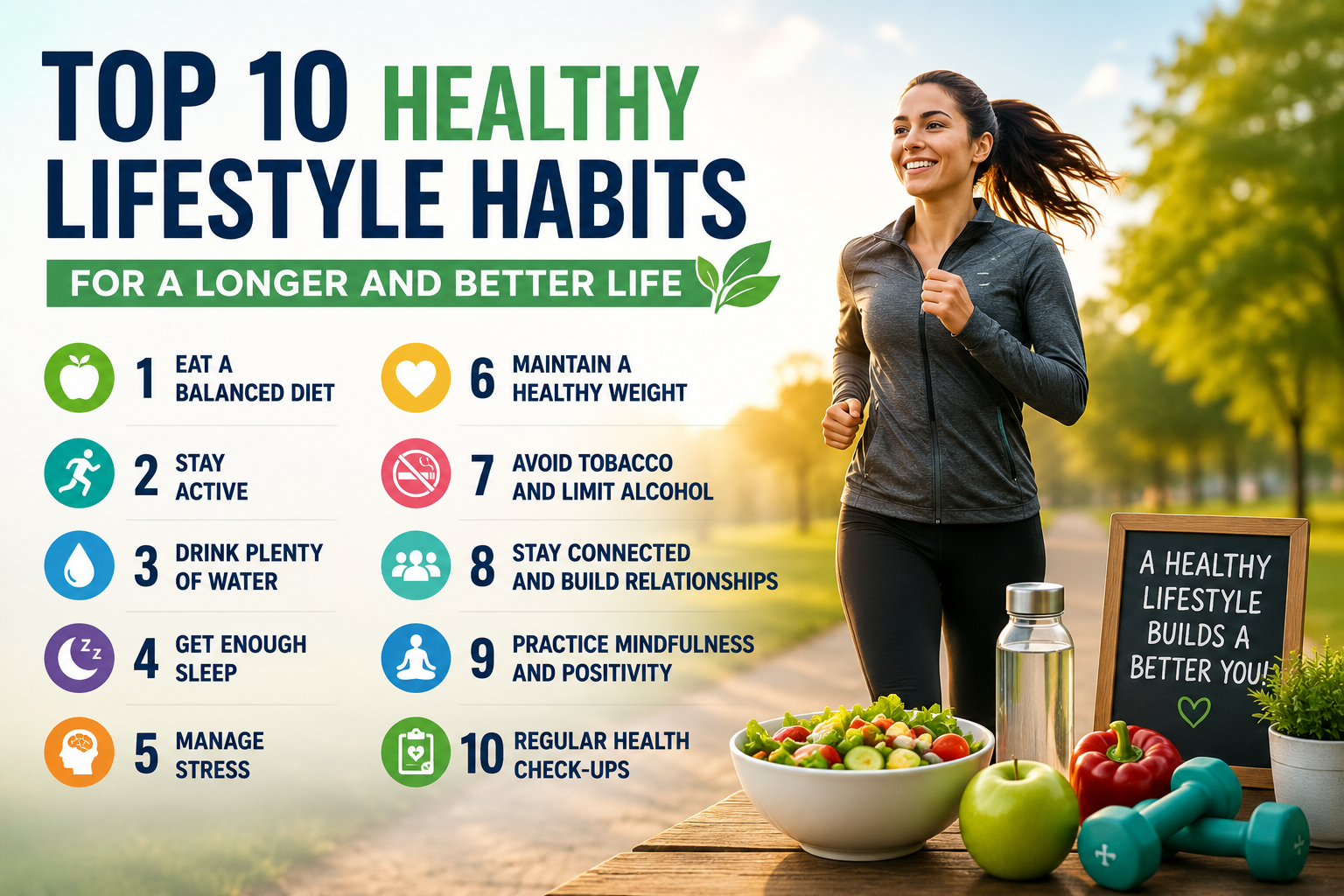
1. Eat a Balanced and Nutritious Diet
A healthy diet is the foundation of a healthy life. Your body requires essential nutrients, vitamins, and minerals to function properly. A balanced diet should include:
- Fresh fruits and vegetables
- Whole grains
- Lean proteins such as chicken, fish, and legumes
- Healthy fats like nuts and olive oil
Avoid excessive consumption of processed foods, sugary drinks, and unhealthy fats. Proper nutrition not only improves physical health but also enhances mental clarity and energy levels.
2. Stay Physically Active
Regular physical activity is essential for maintaining overall health. Exercise helps:
- Improve cardiovascular health
- Strengthen muscles and bones
- Boost immunity
- Reduce stress
You don’t need intense workouts—simple activities like walking, jogging, cycling, or yoga for at least 30 minutes a day can make a significant difference.
3. Stay Hydrated
Water is vital for every function in the body. Staying hydrated helps:
- Improve digestion
- Maintain body temperature
- Support brain function
- Remove toxins
Aim to drink at least 6–8 glasses of water daily. Hydration also plays a key role in maintaining healthy skin and energy levels.
4. Get Enough Sleep
Sleep is often overlooked but is crucial for overall health. Lack of sleep can lead to:
- Fatigue
- Poor concentration
- Increased risk of chronic diseases
Adults should aim for 7–8 hours of quality sleep each night. Establishing a consistent sleep schedule can improve both physical and mental health.
5. Manage Stress Effectively
Chronic stress can negatively impact both physical and mental health. It can lead to:
- High blood pressure
- Anxiety and depression
- Weakened immune system
Stress management techniques include:
- Meditation
- Deep breathing exercises
- Spending time in nature
- Engaging in hobbies
Maintaining emotional balance is essential for long-term wellness.
6. Avoid Smoking and Harmful Substances
Smoking is one of the leading causes of serious health conditions such as lung cancer, heart disease, and respiratory disorders. Avoiding tobacco and harmful substances significantly reduces health risks and improves overall quality of life.
7. Limit Alcohol Consumption
While occasional alcohol consumption may be acceptable, excessive intake can lead to liver damage, weight gain, and other health issues. Moderation is key to maintaining good health.
8. Maintain a Healthy Weight
Being overweight or underweight can increase the risk of various health problems. Maintaining a healthy weight through proper diet and regular exercise helps prevent chronic diseases and improves overall well-being.
9. Regular Health Checkups
Preventive healthcare is essential for early detection of diseases. Regular checkups help identify potential health issues before they become serious. Common tests include:
- Blood pressure monitoring
- Blood sugar levels
- Cholesterol tests
Early diagnosis leads to better treatment outcomes.
10. Maintain a Positive Mindset
Mental health plays a crucial role in overall wellness. A positive mindset can improve resilience, reduce stress, and enhance quality of life. Surround yourself with supportive people, practice gratitude, and focus on personal growth.
Additional Tips for Healthy Living
- Practice good hygiene
- Spend time outdoors
- Reduce screen time
- Stay socially connected
These small actions contribute significantly to long-term health.
Conclusion
Living a healthy lifestyle is a lifelong commitment that requires consistency and dedication. By incorporating these simple habits into your daily routine, you can improve your physical and mental well-being, reduce the risk of diseases, and enjoy a longer, healthier life.
Book Now
For professional medical consultation and personalized healthcare services, visit:
👉 https://signiahealth.org/